One Person Trained Can Save A Life
Citizen Level Courses
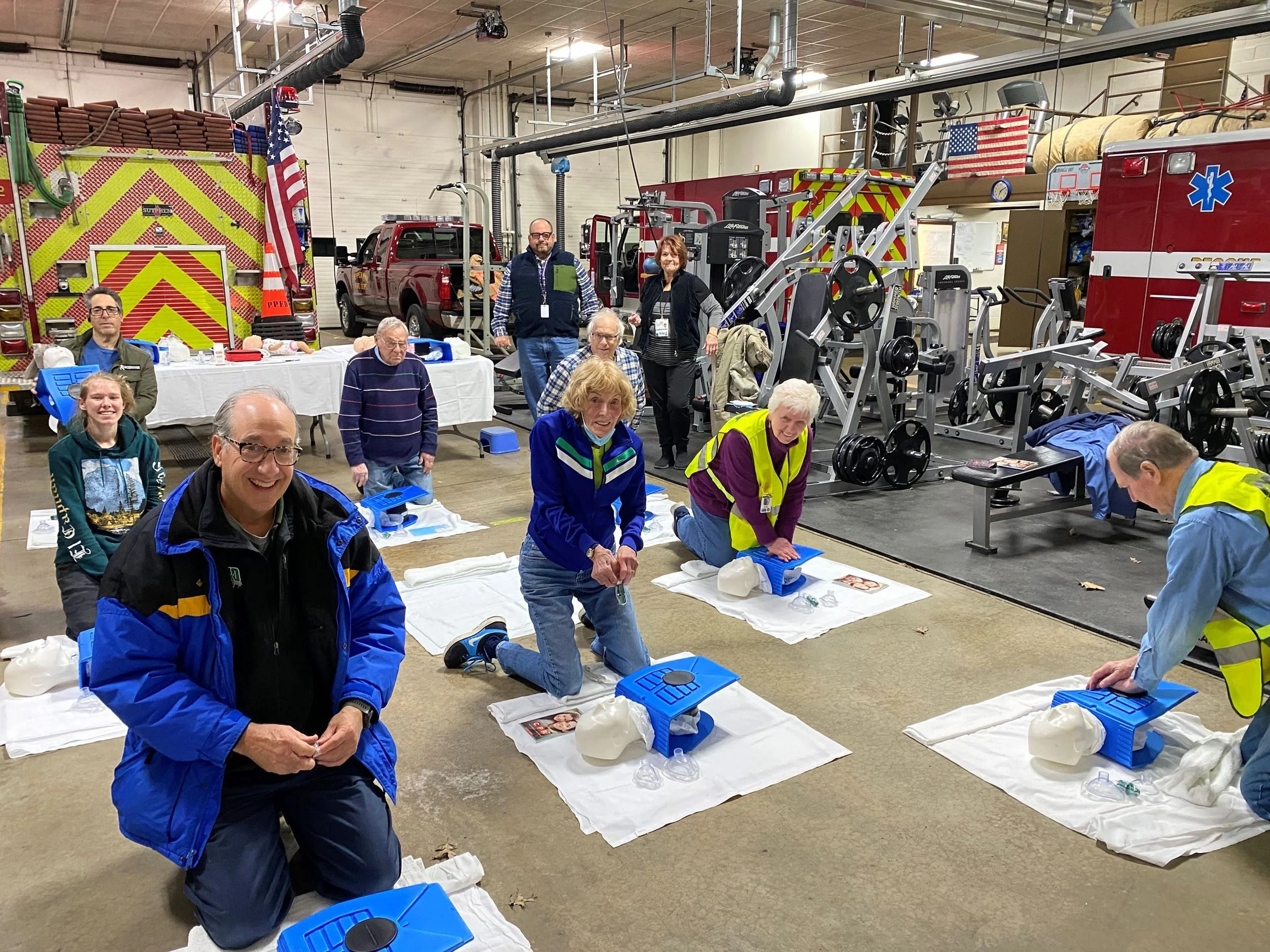
Every minute matters during a medical emergency. These hands-on courses gives you the confidence and skills to respond before professional help arrives.
Citizen Level Courses Include:
CPR- Adult, Child, and Infant
AED Operation
Recognize and Respond to Opiod Overdoses and Allergic Reactions
Life-saving Bleeding Control Techniques
Oregon Good Samaritan Laws
First on the Scene (FOTS)
Target Audience:
Anyone 12+
Course Content:
First on the Scene (FOTS), developed by NAEMT and the International Association of Fire Chiefs (IAFC), provides instructors with a toolkit to teach the general public basic emergency response to life-threatening emergencies until EMS arrives on the scene. Through lesson presentations and hands-on skill stations, participants will learn how to access help in the event of a life-threatening emergency and what to do until EMS arrives.
Learning Objectives:
By the end of this course, participants will be able to:
Activate the 911 system
Hands-only CPR and AED
Administer Naloxone (Narcan)
Administer Epinephrine (Epipen)
Respond to life-threatening bleeding
Move patients to safety
Position injured patients
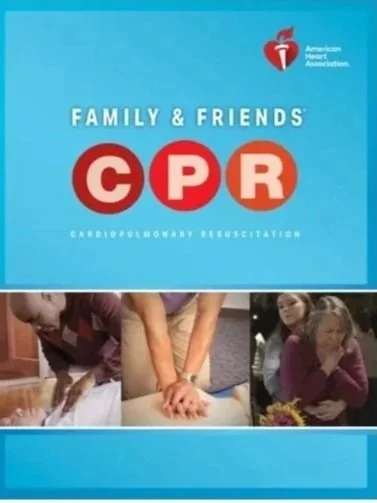
Friends & Family CPR
Target Audience:
Anyone 12+
Course Content:
First on the Scene (FOTS), developed by NAEMT and the International Association of Fire Chiefs (IAFC), provides instructors with a toolkit to teach the general public basic emergency response to life-threatening emergencies until EMS arrives on the scene. Through lesson presentations and hands-on skill stations, participants will learn how to access help in the event of a life-threatening emergency and what to do until EMS arrives.
Learning Objectives:
By the end of this course, participants will be able to:
Adult Hands-Only CPR and AED
Adult CPR With Breaths
Mild and Severe Airway Block: How to Help a Choking Adult
Child CPR and AED
Mild and Severe Airway Block: How to Help a Choking Child
Infant CPR
Mild and Severe Airway Block: How to Help a Choking Infant
Narcan for Narcotic (Opioid) Overdose
Target Audience:
Citizens 12+
EMS Providers
First Responders
Nurses
Healthcare Professionals Involved in Emergency Care
Course Content:
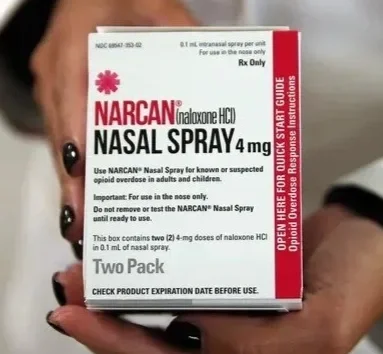
This course trains prehospital providers, first responders, and healthcare professionals to recognize and manage narcotic overdoses effectively. Participants learn to identify signs and symptoms of opioid toxicity, understand the pharmacology of naloxone (Narcan), and safely administer it via approved routes. Emphasis is placed on rapid assessment, emergency interventions, and post-administration care, improving patient survival and safety.
Learning Objectives:
By the end of this course, participants will be able to:
Recognize signs and symptoms of opioid overdose.
Understand the mechanism, indications, and contraindications of naloxone.
Administer naloxone safely using various approved routes (intranasal, intramuscular, etc.).
Provide post-administration monitoring and supportive care.
Educate patients and families on overdose prevention and follow-up care.
Stop the Bleed
Target Audience:
Citizens 12+
EMS Providers
First Responders
Nurses
Healthcare Professionals Involved in Emergency Care
Course Content:
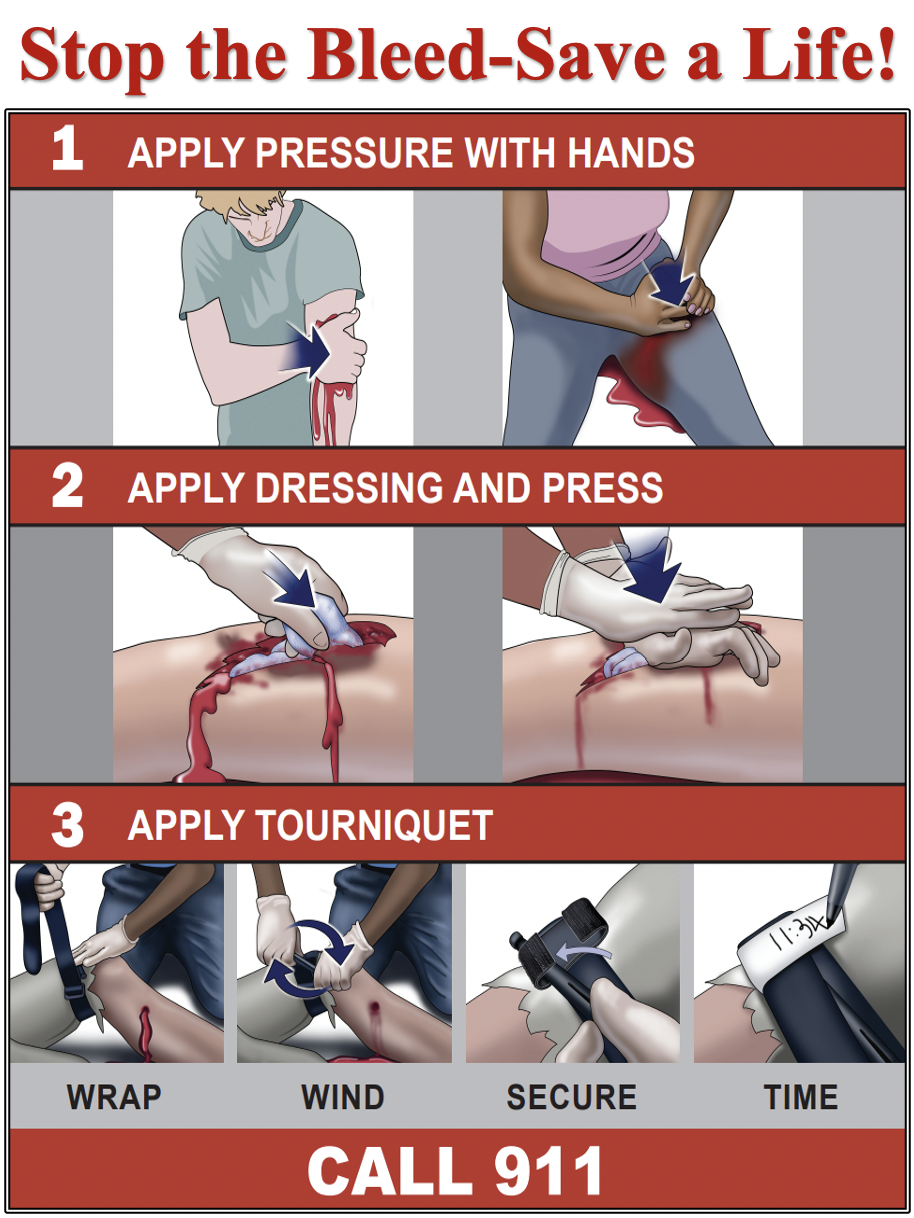
The American College of Surgeons (ACS) STOP THE BLEED® course teaches participants how to recognize life-threatening bleeding and take immediate action using proven bleeding control techniques. In this approximately one-hour course, students receive expert instruction followed by hands-on practice with direct pressure, wound packing, and tourniquet application to build the confidence and skills needed to respond in an emergency.
Developed by the ACS Committee on Trauma and endorsed by the Oregon Health Authority's Health Security, Preparedness & Response Program and Oregon Emergency Medical Services and Trauma Systems, the STOP THE BLEED® curriculum empowers everyday citizens to become immediate responders when every second counts.
Designed for anyone physically capable of providing assistance, this course prepares participants to respond to severe bleeding caused by workplace accidents, household injuries, motor vehicle crashes, natural disasters, or acts of violence. Because uncontrolled bleeding can become fatal within minutes, early intervention by a trained bystander can save a life.
Learning Objectives:
By the end of this course, participants will be able to:
Recognize life-threatening bleeding requiring immediate intervention.
Identify the appropriate bleeding control technique based on the injury.
Demonstrate effective use of direct pressure, wound packing, and tourniquet application.
Activate the emergency response system while providing immediate care.
Respond confidently to life-threatening bleeding until EMS arrives.