NAEMT Courses
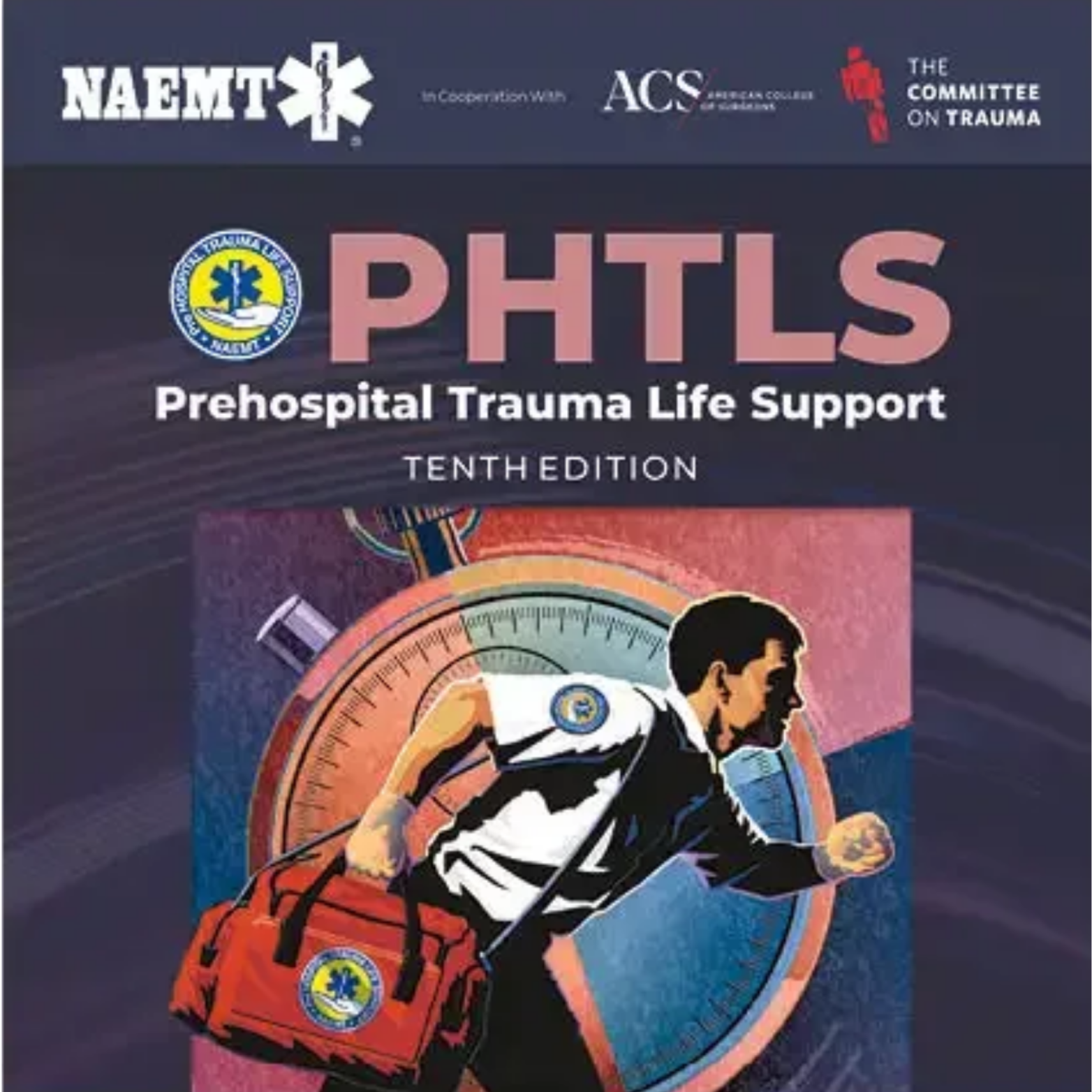
Prehospital Trauma Life Support (PHTLS)
Target Audience:
Emergency Medical Technicians (EMTs),
Paramedics
Prehospital providers
Healthcare professionals involved in trauma care.
Course Content:
The Prehospital Trauma Life Support (PHTLS) course is a comprehensive, evidence-based program designed to enhance the knowledge, skills, and decision-making abilities of prehospital care providers in the management of trauma patients. Participants will gain a thorough understanding of trauma assessment, rapid intervention, and the prioritization of life-threatening injuries in the prehospital setting. This course emphasizes practical, hands-on training, including patient assessment, airway management, hemorrhage control, spinal motion restriction, and transport considerations. Through scenario-based learning, participants will develop critical thinking skills to provide timely and effective trauma care, improving patient outcomes and survival rates.
Learning Objectives:
By the end of this course, participants will be able to:
Conduct a systematic primary and secondary assessment of trauma patients.
Identify and manage life-threatening injuries using evidence-based interventions.
Apply advanced airway management techniques and hemorrhage control measures.
Prioritize and safely transport trauma patients based on severity and available resources.
Demonstrate effective communication and teamwork in high-pressure trauma situations.
Advanced Medical Life Support (AMLS)
Target Audience:
Emergency Medical Technicians (EMTs)
Paramedics
Prehospital providers
Healthcare professionals
Course Content:
The Advanced Medical Life Support (AMLS) course is an evidence-based program designed to enhance the knowledge, assessment, and critical thinking skills of prehospital care providers in managing medical emergencies. The course emphasizes systematic patient assessment, rapid recognition of life-threatening conditions, and the application of appropriate interventions to stabilize patients in the prehospital setting.
Through interactive lectures, case-based discussions, and hands-on skills sessions, participants learn to identify and manage complex medical emergencies, including cardiovascular, respiratory, neurological, endocrine, and toxicological conditions. Emphasis is placed on integrating assessment findings into effective patient care, decision-making under pressure, and safe transport strategies.
Learning Objectives:
By the end of the course, participants will be able to:
Conduct a rapid and systematic assessment of patients with medical emergencies.
Identify and prioritize life-threatening medical conditions.
Apply appropriate prehospital interventions for acute medical emergencies.
Demonstrate advanced clinical reasoning and critical thinking skills.
Communicate effectively with patients, families, and healthcare teams during emergencies.
Emergency Pediatric Care (EPC)
Target Audience:
Emergency Medical Technicians (EMTs)
Paramedics
Prehospital providers
Healthcare professionals involved in pediatric emergency care.
Course Content:
The NAEMT Emergency Pediatric Care (EPC) course is a comprehensive, evidence-based program designed to enhance the skills and confidence of prehospital providers in managing medical and trauma emergencies in children. The course focuses on pediatric-specific assessment, treatment, and transport strategies, emphasizing rapid decision-making and application of best practices in emergency situations. Through interactive lectures, hands-on skills stations, and scenario-based simulations, participants learn to identify and manage life-threatening conditions, including respiratory emergencies, shock, cardiac arrest, trauma, and common medical illnesses in children. Special emphasis is placed on age-appropriate airway management, fluid resuscitation, medication dosing, and family-centered care during emergencies.
Learning Objectives:
By the end of the course, participants will be able to:
Perform rapid and systematic pediatric patient assessments.
Recognize and manage life-threatening pediatric medical and trauma conditions.
Apply pediatric airway, resuscitation, and circulatory management techniques.
Safely administer medications and fluids with proper dosing for children.
Demonstrate effective communication and teamwork in pediatric emergencies.
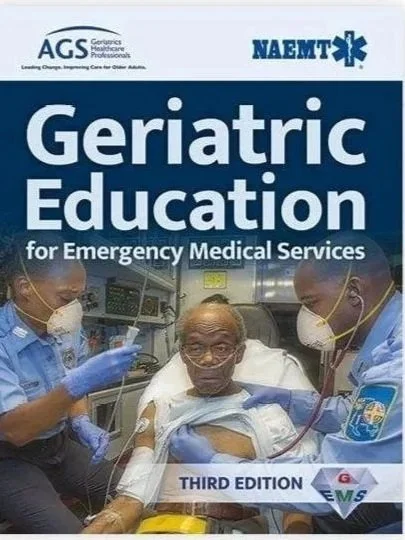
Geriatric Education for EMS (GEMS)
Target Audience:
Emergency Medical Technicians (EMTs)
Paramedics
Prehospital providers
Healthcare professionals
Course Content:
The Geriatric Education for EMS (GEMS) course is designed to enhance the knowledge, skills, and confidence of prehospital care providers in caring for older adults. With the aging population, EMS providers increasingly encounter unique challenges in assessment, treatment, and transport of geriatric patients. This course emphasizes understanding age-related physiological changes, chronic medical conditions, and psychosocial factors that affect patient care.
Through interactive lectures, case-based discussions, and scenario-based learning, participants explore strategies for effective communication, patient assessment, fall and injury prevention, medication considerations, and management of acute medical and trauma emergencies in older adults. Special attention is given to improving patient outcomes while respecting the dignity, independence, and preferences of geriatric patients.
Learning Objectives:
By the end of the course, participants will be able to:
Recognize age-related physiological and cognitive changes that affect patient care.
Conduct comprehensive assessments tailored to geriatric patients.
Identify and manage common medical and trauma emergencies in older adults.
Apply effective communication strategies and patient-centered care principles.
Implement safe transport and intervention strategies to improve patient outcomes.
Psychological Trauma in EMS Patients (PTEP)
Course Content:
The PTEP is an 8‑hour classroom course designed for EMS practitioners and other prehospital providers. It focuses on the biological underpinnings of psychological trauma, its short- and long-term effects on the brain and body, and warning signs of extreme psychological distress. The curriculum teaches strategies and techniques to alleviate patient distress and help them cope, reducing the risk of lingering effects. It uses scenario-based interactive sessions, lectures, and patient simulations to reinforce learning.
Target Audience:
First Responders
Emergency Medical Technicians (EMTs)
Firefighters
Paramedics
Prehospital providers involved in trauma care
Healthcare professionals
Learning Objectives:
By the end of the course, participants will be able to:
Enhanced ability to recognize and respond to psychological trauma
Skills to support patient recovery and trust
Practical experience through scenario-based learning
Gain an official CAPCE credit and certification for professional development
All Hazards Disaster Response (AHDR)
Target Audience:
First Responders
Emergency Medical Technicians (EMTs)
Paramedics
Firefighters
Police
Military Medics
Search & Rescue
Prehospital providers
Healthcare professionals
Course Content:
The NAEMT All Hazards Disaster Response (AHDR) course is an 8‑hour, CAPCE‑accredited, classroom‑based program designed to prepare EMS practitioners and other prehospital care providers to manage patient care during any type of disaster or mass‑casualty incident. AHDR uses a systems‑based approach to disaster preparedness and response, focusing on delivering safe, effective care to ill and injured patients in chaotic, large‑scale emergencies. It is applicable to natural disasters, technological incidents, and human‑caused events such as pandemics, active shooter situations, infrastructure failures, fires, and radiological events.
Learning Objectives:
By the end of the course, participants will have knowledge of:
Incident Command System and national incident management standards
Communication protocols and interoperability with multi‑agency teams
Mutual aid and resource coordinationResponder safety and legal responsibilities
PPE and infectious disease control
Resource management (supplies, medications, equipment)
Triage and patient tracking in mass casualty events
Scene size‑up, risk assessment, and hazard recognition
Incendiary devices and blast injury management
Transport strategies and evacuation planning
EMS Safety
Target Audience:
First Responders
Emergency Medical Technicians (EMTs)
Paramedics
EMS Administrators
Prehospital providers
Course Content:
NAEMT’s EMS Safety is the only national, comprehensive safety course designed for EMS practitioners, other prehospital care providers, and EMS supervisors. It is intended to protect both practitioners and patients while on the job, promote a culture of safety, and help reduce on-the-job fatalities and injuries. The course addresses the unique hazards of emergency medical services, including offensive drivers, violent encounters, chronic stress, and workplace violence.
Learning Objectives:
By the end of the course, participants will be able to:
Identify and manage hazards in daily tasks (e.g., defensive driving, violence de-escalation, stress management).
Apply Crew Resource Management (CRM) in EMS for effective communication, situational awareness, and teamwork.
Maintain safe emergency vehicle operations through defensive driving, maintenance, and inspection.
Improve patient safety by preventing common errors, using safe handling techniques, and applying a just culture.
Protect practitioners through situational awareness, verbal/physical de-escalation, and injury/infection prevention.
Strengthen resilience and personal health to cope with chronic and critical incident stress
Get In Touch